Schools
K-12 schools that care about retention
Your teachers already teach well. Wivme makes sure that learning sticks beyond the classroom door.
Schools measure what was taught. Wivme measures what your child actually remembers. Now in pilot for Grade 8 (ICSE & CBSE). Free this academic year for our founding parents.
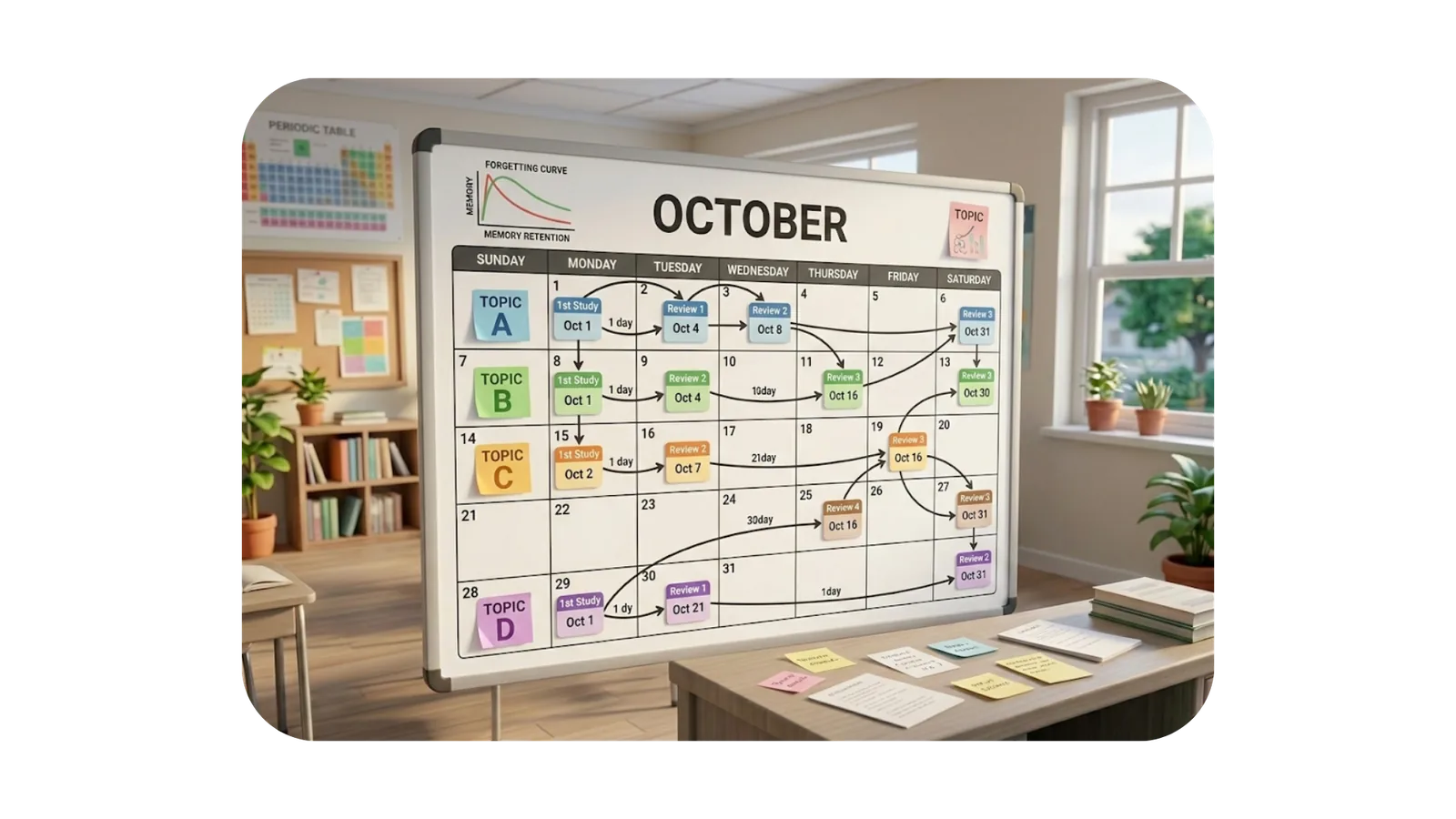
Short, low-effort revision moments arrive on your child’s phone exactly when memory starts to fade. Not on a calendar, not on a quiz day, but at the moment science says the lesson is most at risk of being lost.
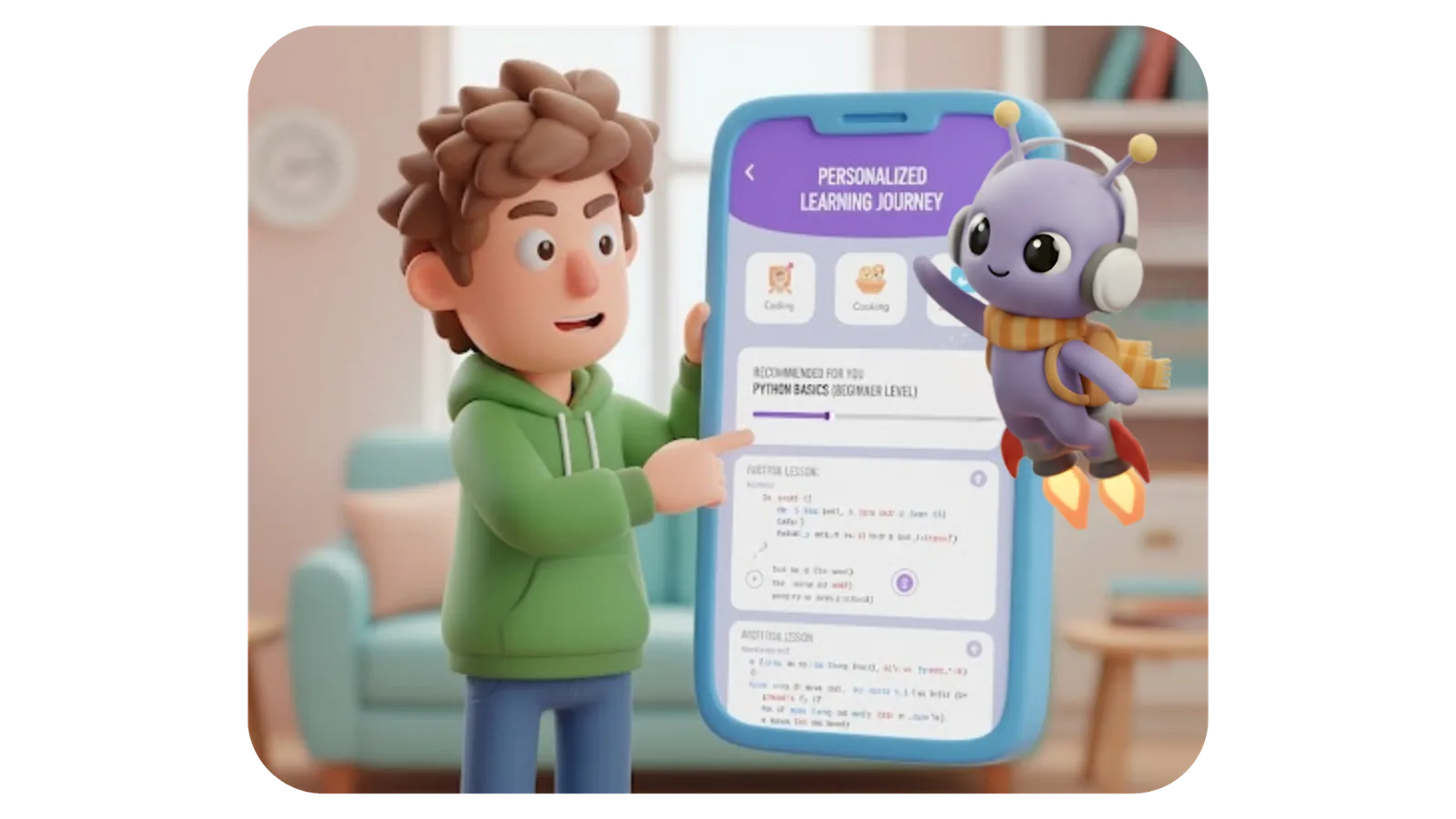
Most learning apps live or die by whether your child feels like opening them. Wivme doesn’t. It’s tied to the lessons their school is actually teaching, every week. So it sticks where other apps quietly stop being used.
For the first time, what your child has actually retained, not just what they sat through, becomes something you and the school can see. Weeks before the next test, not after the report card.
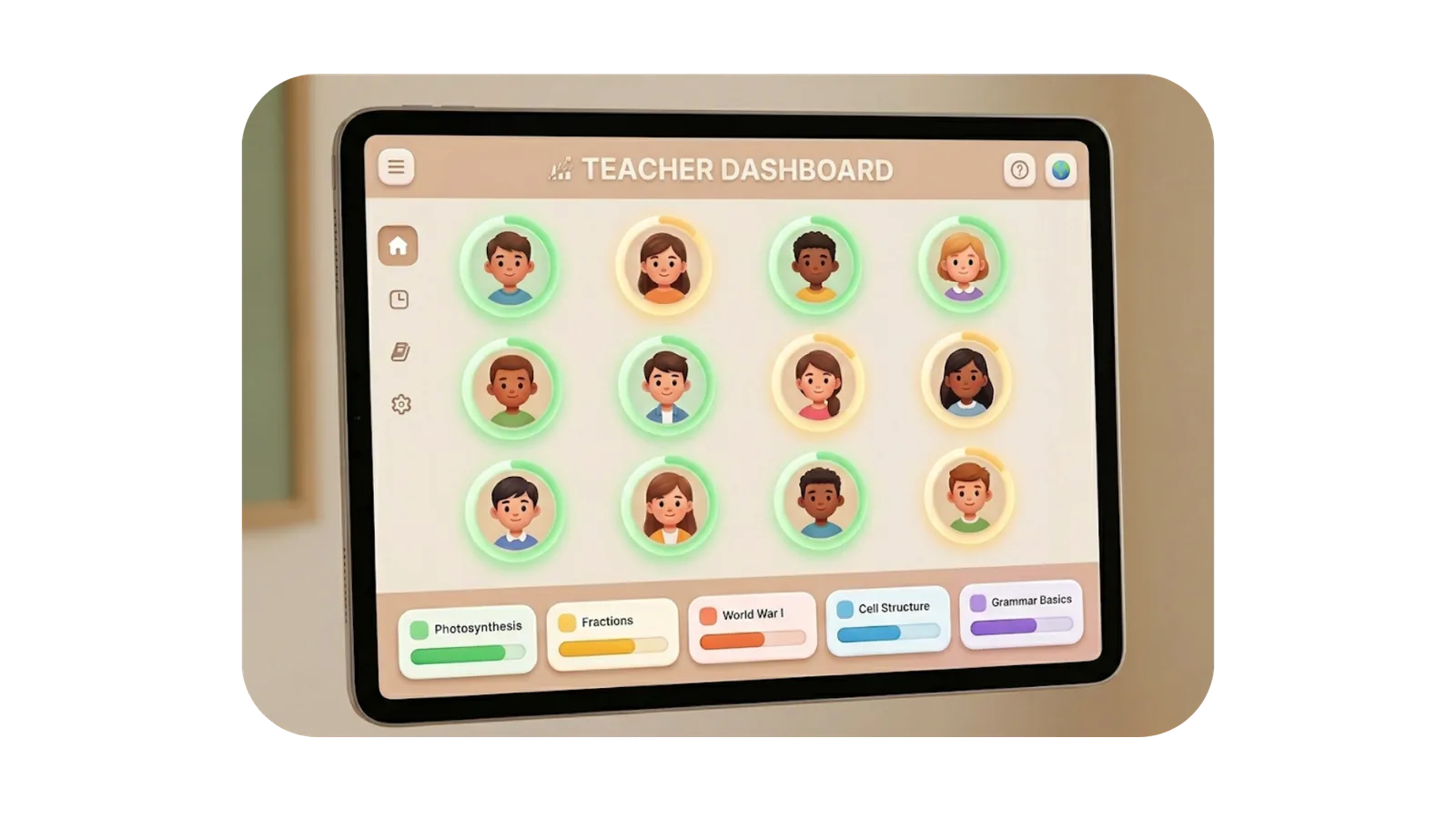
Your teachers already teach well. Wivme makes sure that learning sticks beyond the classroom door.
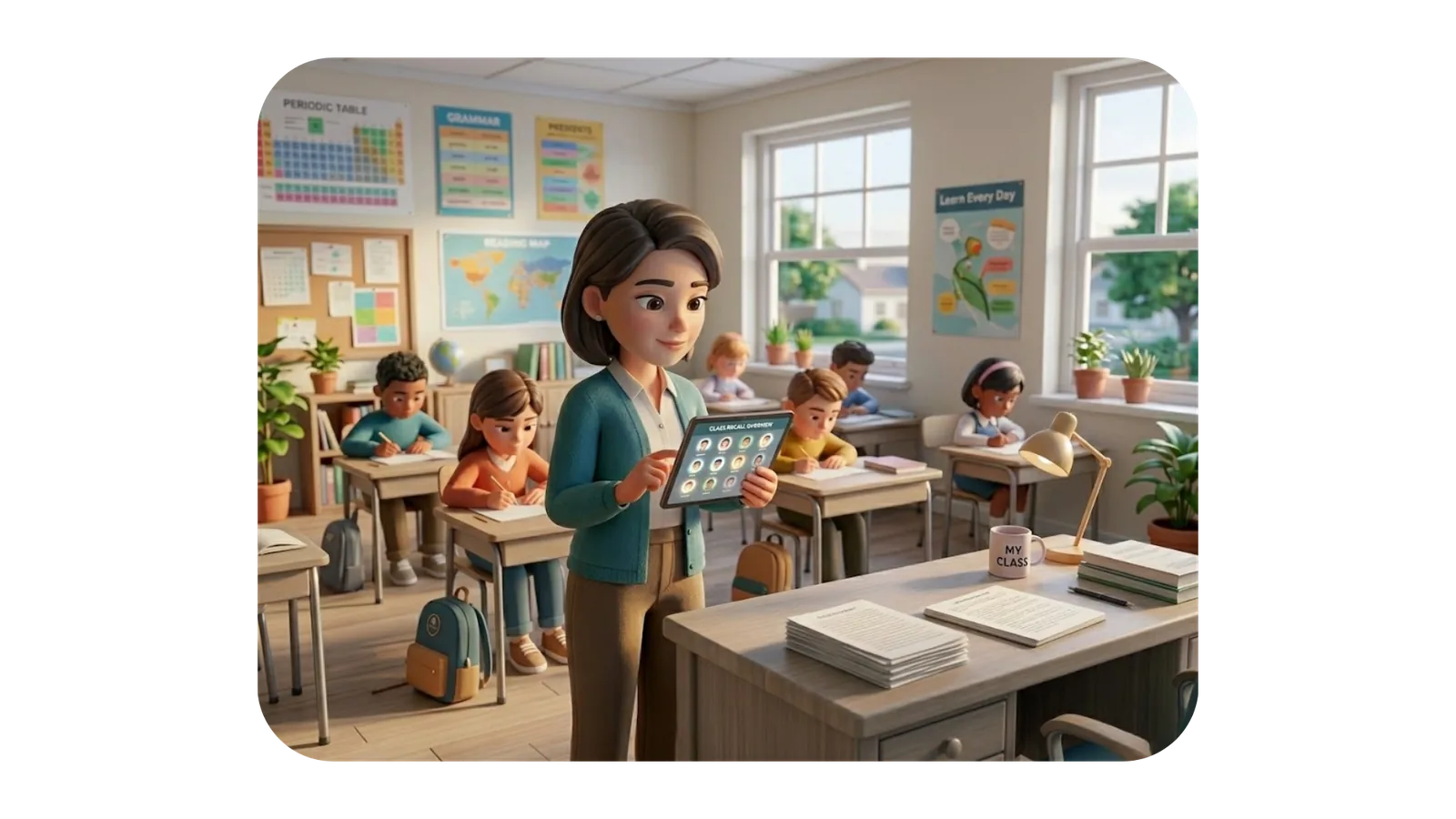
No extra work for teachers. Just enable episodes and see exactly what each student is forgetting.
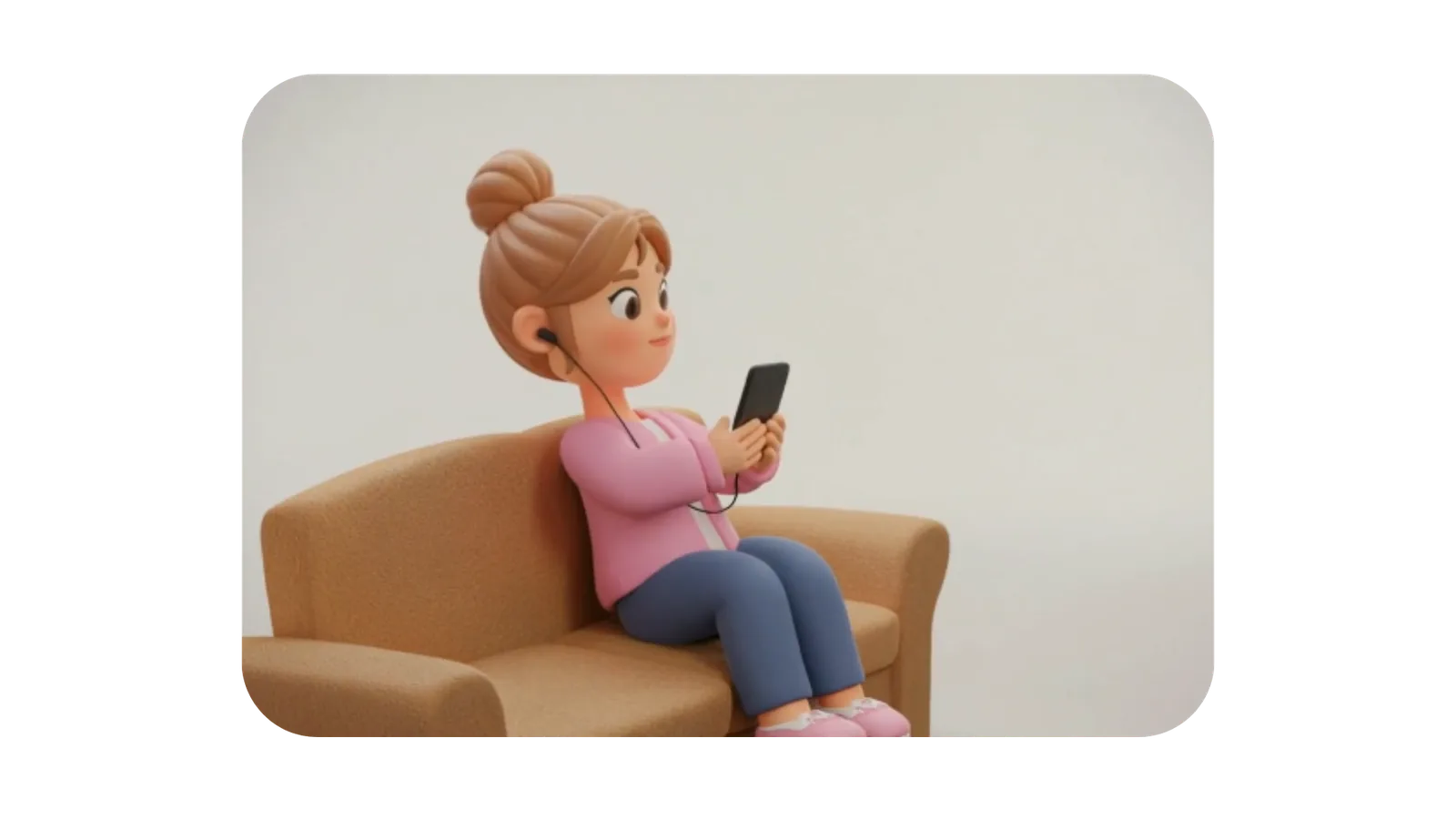
See what your child is forgetting before exams expose it.
A short daily session. That's all it takes — targeted prompts that fit between classes.
Most parents only find out at the report card. We're changing that — starting with Grade 8 on the ICSE and CBSE boards, free for our founding families this year.
Give every student the retention layer — and every teacher a live view of what the class actually remembers, chapter by chapter.
The science is settled. Memory decays on a predictable curve, and well-timed retrieval can flatten it. None of this is new. It's been replicated across 140 years of cognitive psychology.
What's new is making it work inside an actual school day, without extra study sessions, extra homework, or another app the family has to fight to keep open. That's the part Wivme builds.
Based on the Ebbinghaus forgetting curve model (Ebbinghaus, 1885) and modern spacing-effect validation studies.
Sources: Ebbinghaus (1885); Cepeda et al., 2006 meta-analysis of 254 studies; Roediger & Butler, 2011; Karpicke & Roediger, Science, 2008; Education Endowment Foundation. Our own pilot data will be published openly at the end of this academic year.
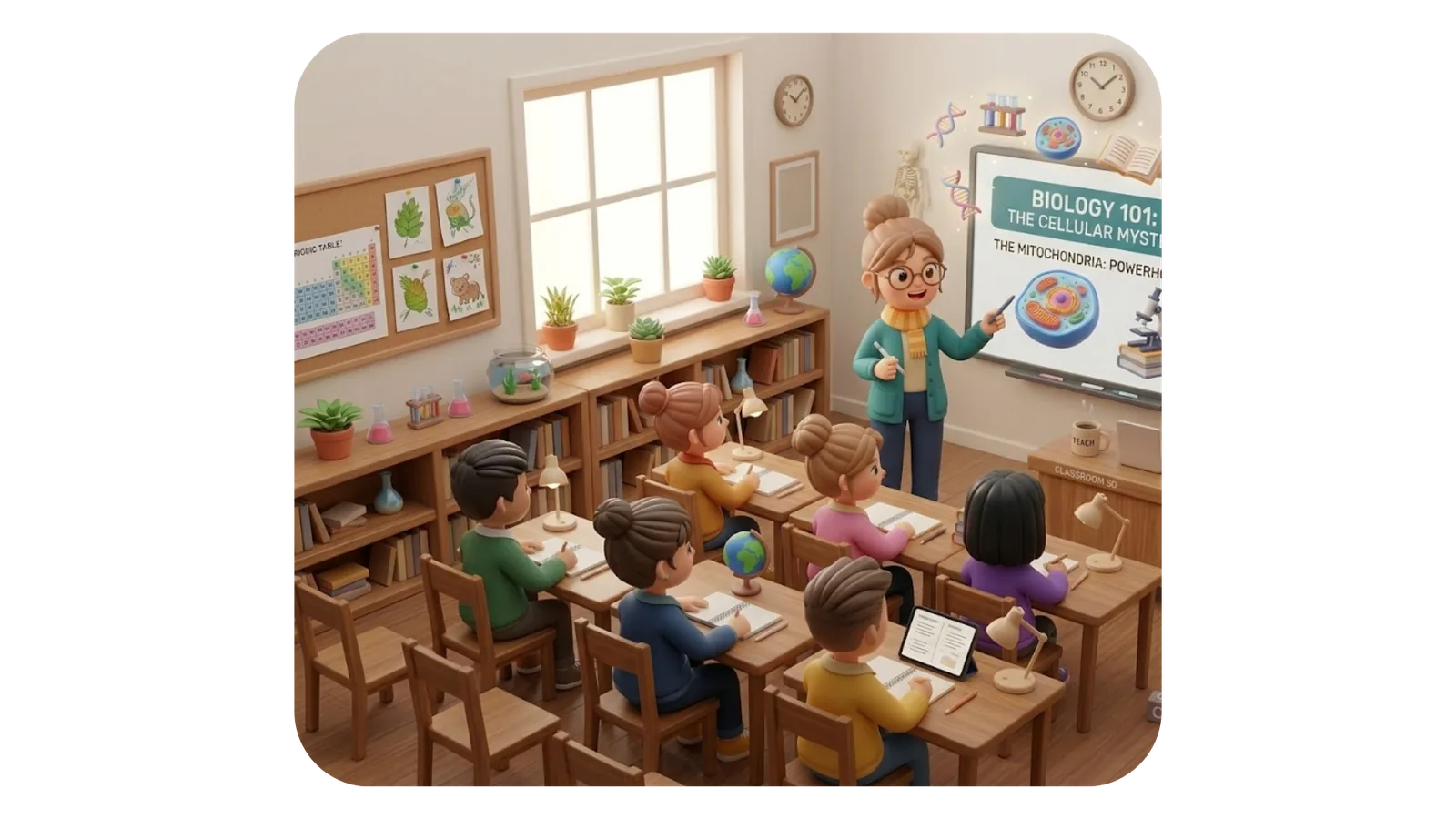
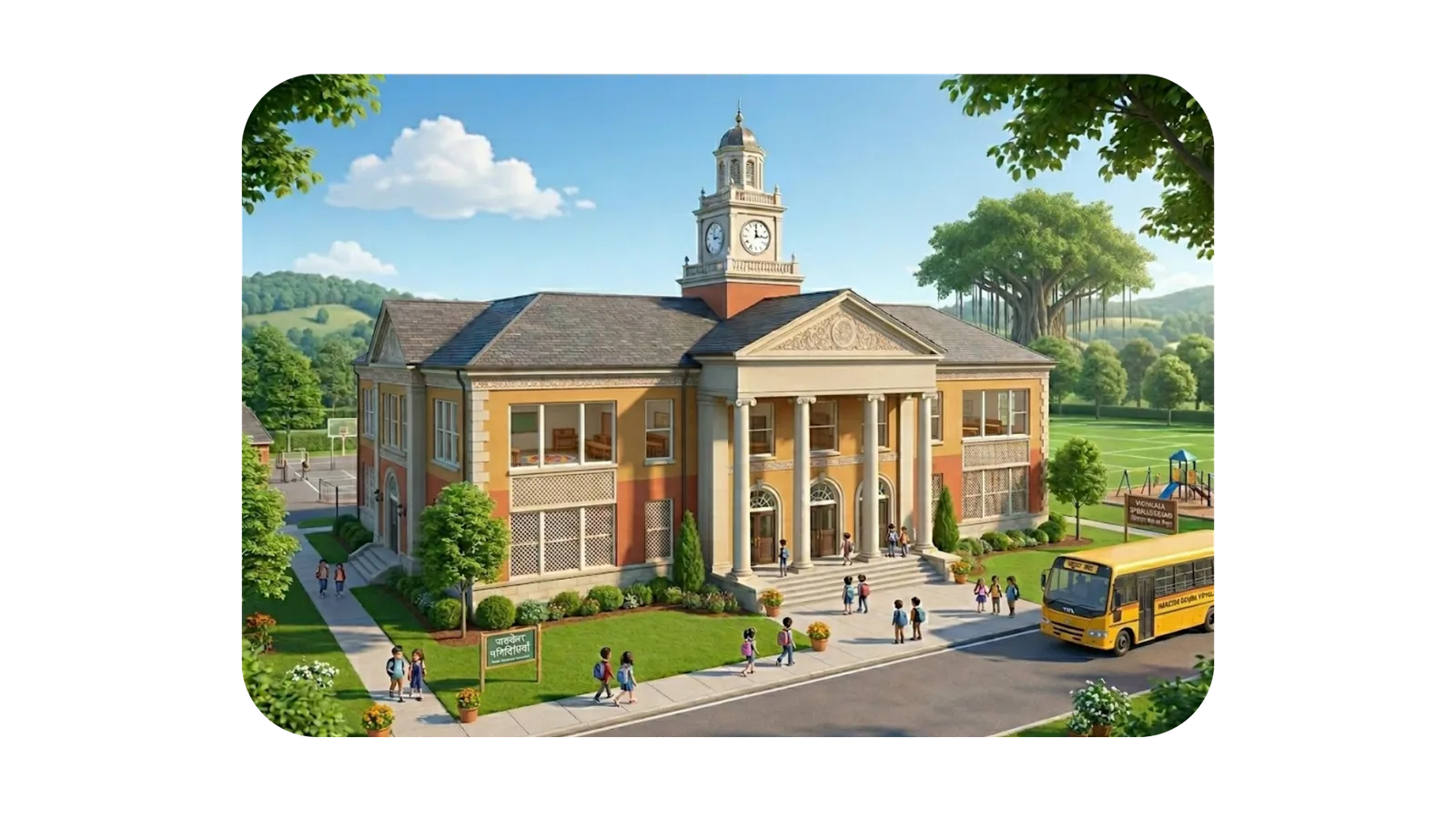
Teaching happens here. Understanding begins here. But retention usually does not.
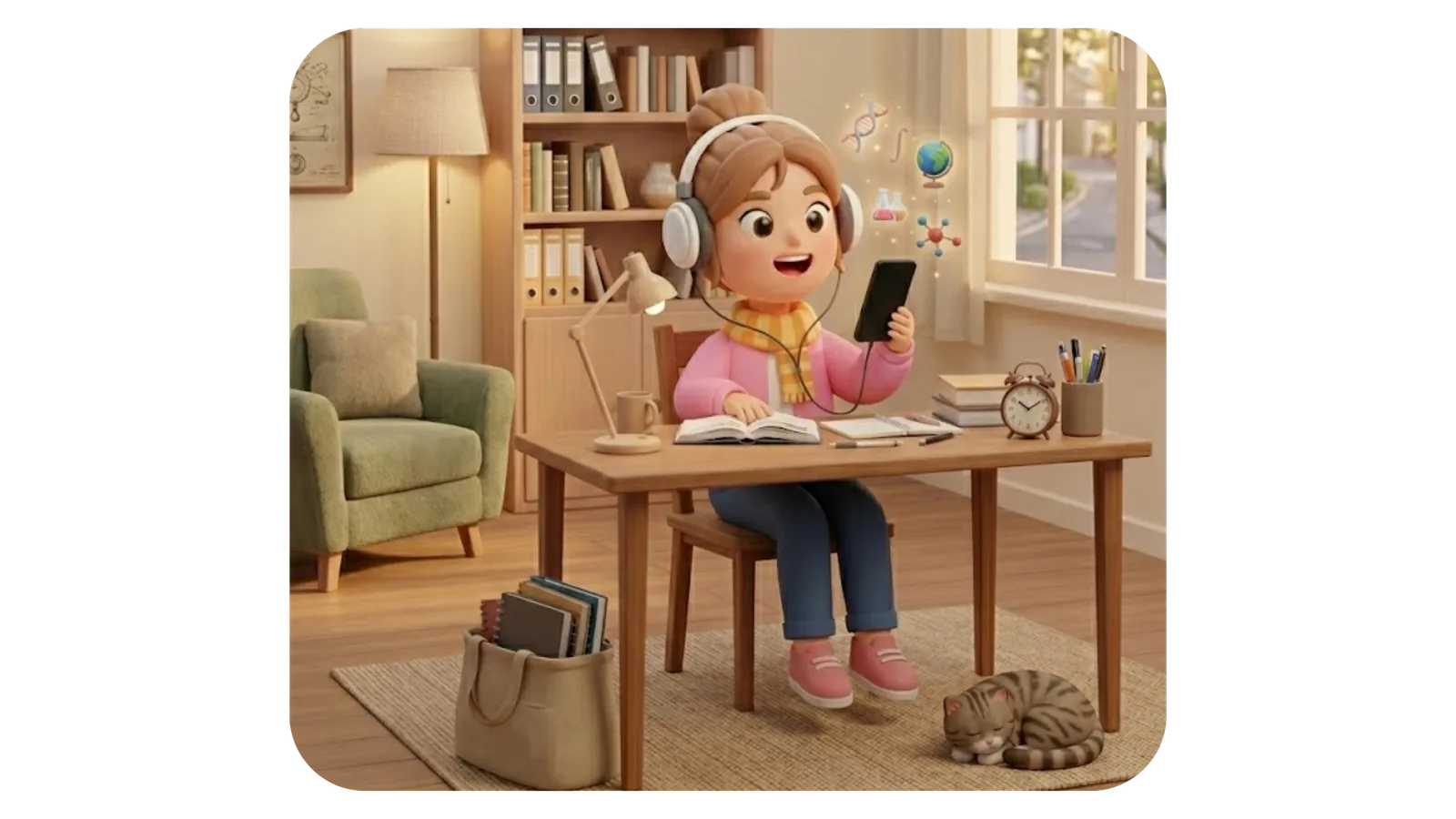
The memory layer that quietly reinforces key ideas after class, before forgetting wins.
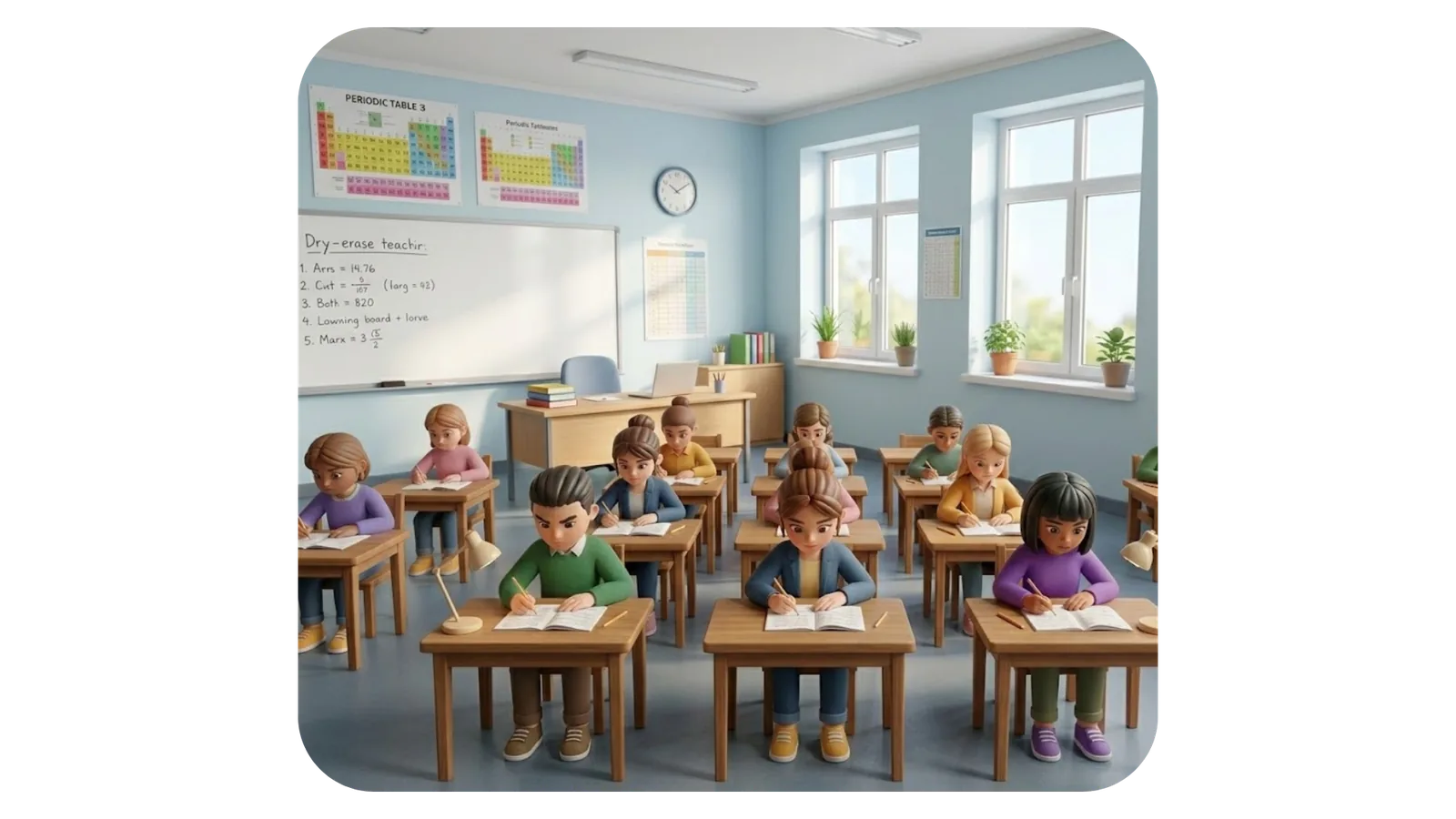
Retrieval happens here. Wivme improves what students can actually bring back at this moment.
Between the lesson and the test, Wivme works in silence.
Free this academic year for founding parents and pilot schools. The version we launch next year will be shaped by the people in the room now.